
Conducting Due Diligence in Corporate Transactions: Key Considerations
GD
Conducting due diligence in corporate transactions is a critical step to ensure that all parties involved are well-informed and any potential risks are mitigated. This process involves a comprehensive appraisal of a business, its assets, liabilities, and overall financial health.

Understanding Due Diligence
Due diligence is an investigative process that provides buyers with the necessary insights to make informed decisions. It goes beyond just financial evaluation, encompassing legal, operational, and technical aspects of a company. This ensures that there are no surprises post-acquisition.
Types of Due Diligence
There are several types of due diligence, each focusing on different aspects of the business:
- Financial Due Diligence: Examines financial statements, projections, and tax records.
- Legal Due Diligence: Reviews contracts, licenses, and legal compliance.
- Operational Due Diligence: Assesses operational processes and efficiencies.
- Technical Due Diligence: Focuses on technology systems and intellectual property.

Key Considerations in Due Diligence
Several key considerations should be kept in mind during the due diligence process. First, it's essential to define the scope of the investigation clearly. This ensures that all critical areas are covered, minimizing the risk of overlooking important details.
Identifying Potential Risks
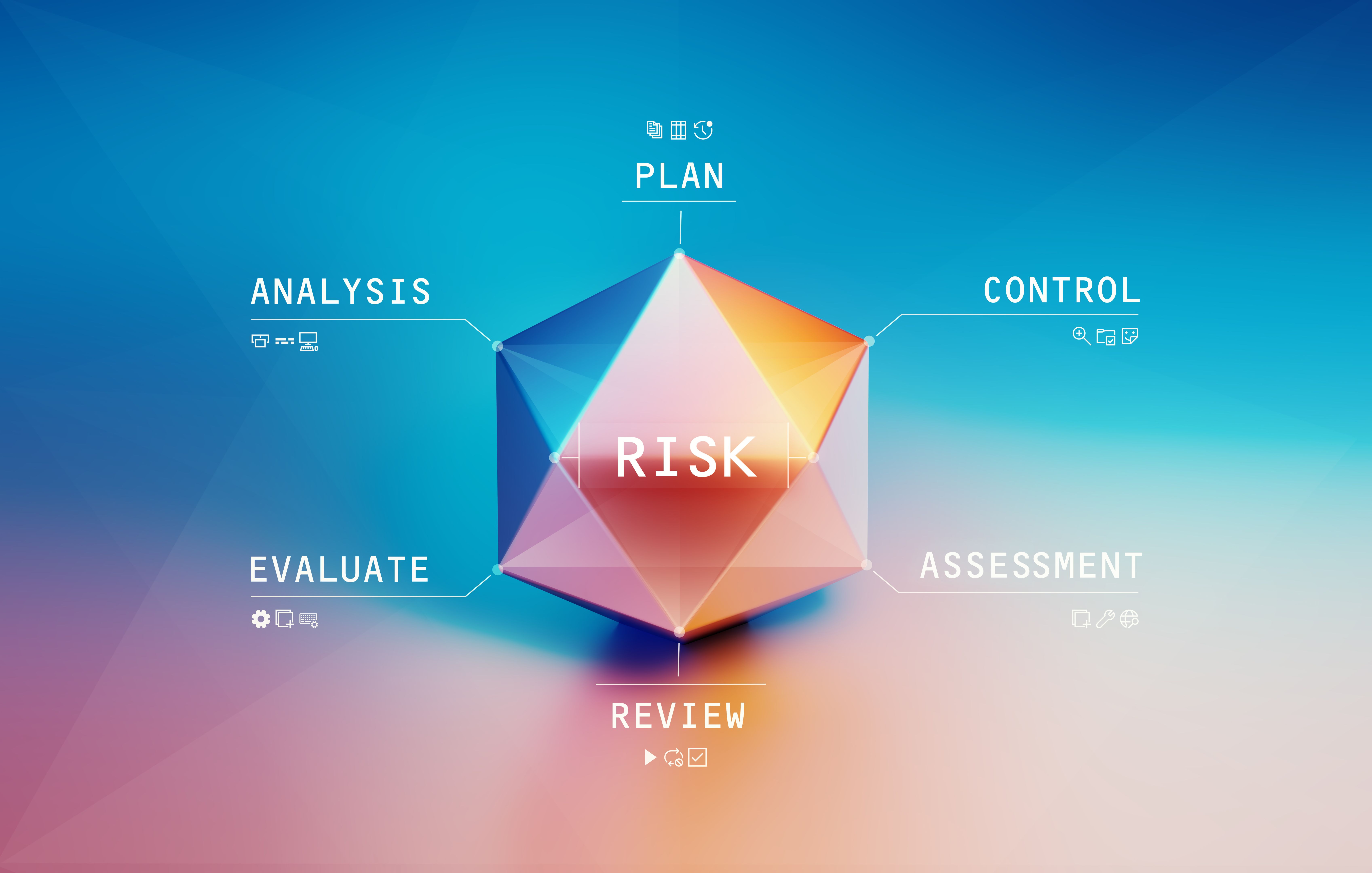
A thorough risk assessment is crucial. This involves identifying potential financial, legal, and operational risks that could impact the transaction. Understanding these risks allows for better negotiation and informed decision-making.
The Role of Professionals
Engaging experienced professionals such as lawyers, accountants, and industry experts can greatly enhance the due diligence process. Their expertise helps in uncovering hidden issues and provides a more comprehensive view of the target company.
Effective Communication
Maintaining clear and open communication between all parties is vital. This facilitates a smoother process and ensures that any concerns are promptly addressed, leading to a more successful transaction.
In conclusion, conducting due diligence is an indispensable part of corporate transactions. By paying attention to financial, legal, operational, and technical aspects, and involving skilled professionals, businesses can navigate the complexities of acquisitions or mergers with confidence and clarity.